Why Walking Became My Most Important Exercise After 50
I once thought walking barely counted as exercise. After losing 40 pounds with walking at the center of my routine, I see it very differently.

I once thought walking barely counted as exercise. After losing 40 pounds with walking at the center of my routine, I see it very differently.
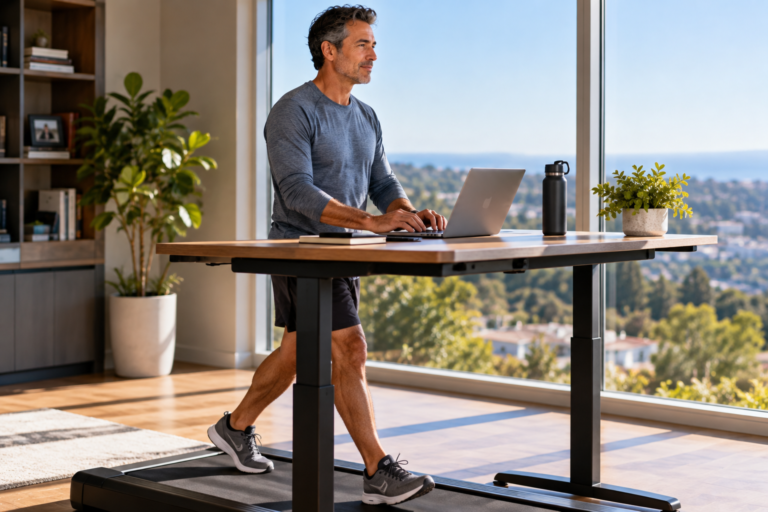
You can exercise regularly and still spend too much of the day sitting. Here is why prolonged sedentary time matters after 50 and how to build more movement into everyday life.

Sleep often changes after 50, but poor sleep should not automatically be dismissed as aging. Here is what affects sleep quality and how to protect it.
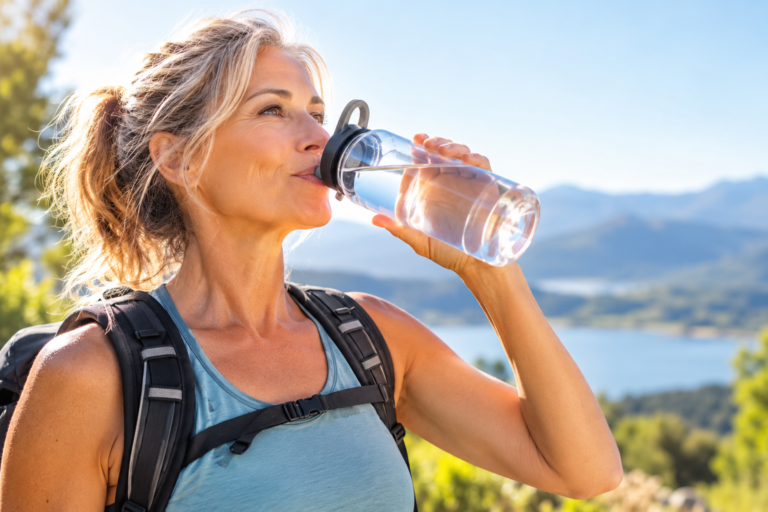
Hydration gets easier to overlook as we age, even as thirst can become less reliable. Here is why fluid balance matters after 50 and how to make staying hydrated a simple daily habit.

Feeling more tired after 50 may be common, but age is not always the whole explanation. Sleep, muscle, movement, nutrition, stress, hydration, medications, and health conditions can all affect energy.
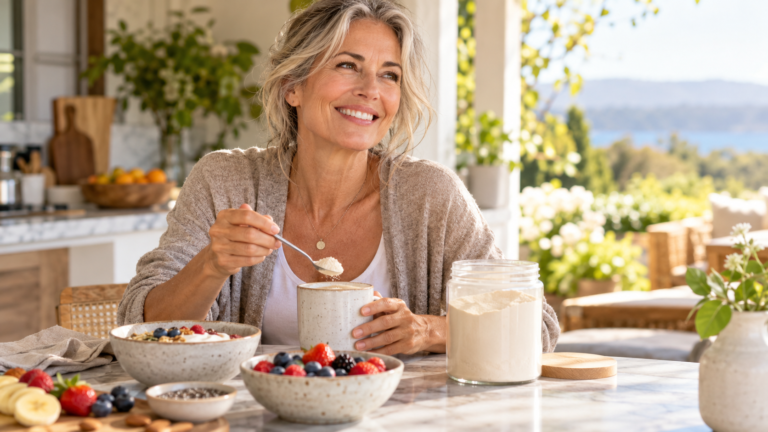
Collagen is everywhere, but does it actually help after 50? Here is what the research suggests about skin, joints, tendons, strength, and healthy aging.

Nutrition needs can change as we get older. Here is how protein, fiber, appetite, digestion, meal timing, and key nutrients may need to evolve after 50.

Living longer is not the same as living well. The real goal after 50 is healthspan: preserving strength, mobility, independence, connection, and purpose for as many years as possible.

Metabolic health affects much more than blood sugar. Here is what insulin resistance, A1c, triglycerides, waist circumference, fatty liver, muscle, movement, and sleep can tell us about healthy aging after 50.

Healthy aging is not one habit, one metric, or one supplement. Here are 12 areas I pay attention to after 50 to support strength, mobility, resilience, and long-term health.