Why Walking Became My Most Important Exercise After 50
For years, I thought of walking as something you did when you were not really exercising. I thought walking was for people who weren’t athletic. I was an athlete, and athletes didn’t walk for exercise. To me, running was exercise. Lifting weights was exercise. Playing soccer was exercise. Walking? Walking felt like transportation.
That changed as I got older. At some point, I realized walking wasn’t the lesser option I had assumed. It became one of my most useful tools. It helped me lose weight. It helped me stay active without beating up my body. It gave me a way to accumulate movement throughout the day. Most importantly, I could do it consistently. That last point has mattered most to me as I’ve gotten older.
Walking Was at the Center of My Weight Loss
In my early 50s, I spent a great deal of time working on a start-up. I was so focused on the business that I lost track of my health. Over four to five years, I managed to pack on some pounds. My wife, a physical trainer, realized I was having a tough time sticking to a rigorous workout plan and laid out a nutrition and activity program for me. I ended up losing about 40 pounds with a routine built largely around walking.
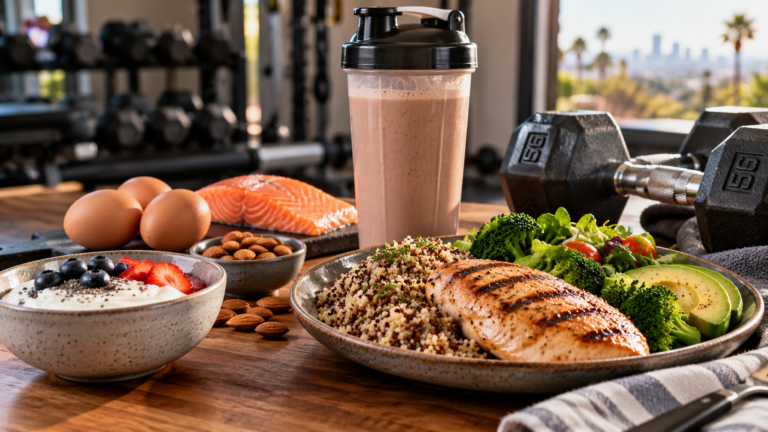
That does not mean walking was the only thing that mattered. Nutrition mattered. Consistency mattered. Being more intentional about how much I moved mattered. But walking became the foundation because it was easy to repeat. I did not need a gym. I did not need special equipment. I didn’t need to recover for two days. I could just walk. And then walk again tomorrow. That made it powerful.
After 50, Consistency Matters More Than Drama
One thing I have learned as I have gotten older is that the best exercise program isn’t always the hardest one. It is the one you can keep doing. Aristotle is credited with saying, “We are what we repeatedly do. Excellence, then, is not an act, but a habit.” That sounds obvious. But too much fitness advice focuses on intensity. Push harder. Go faster. Do more. And when we’re in our 50s and older, that’s just not great advice.
While I appreciate every opportunity to challenge myself, I also realize that any exercise program that leaves you injured, exhausted, or unable to stay consistent isn’t a good plan. Walking solved that for me. It let me keep moving without a major recovery cost. That matters more now than it did when I was younger.
Walking Fits Around Everything Else
I do not think walking should replace strength training. I do not think it should replace harder aerobic work. And I do not think it should be the only form of exercise. But I do think it is one of the best things to build around the rest of your routine.
You can walk on lifting days. You can walk on recovery days. You can walk before work. You can walk during work. You can walk after dinner. You can walk while talking on the phone. You can walk with your spouse, your kids, or a friend. It fits. That makes it unusually valuable.
My wife and I have very busy schedules. She runs a successful personal training company focused on women over 50, and I work long hours as an executive at a construction company. As a result, we don’t have much bonding time during the week. So we walk along the beach for a couple of hours every Saturday morning. This allows us to start our day with some movement while we catch up with each other. What’s even more beautiful is that both my daughters, who live a couple of hours away in opposite directions, do the same thing when I visit them on business. Walking is a habit my family has adopted as a universal bonding activity while catching up.
Walking Helps Me Keep My Activity Level High
One of the easiest mistakes is thinking a workout makes the rest of the day irrelevant. It does not. You can exercise for an hour and still spend the other 15 waking hours barely moving. That’s horrible for your body. Walking helps close that gap.
A short walk in the morning. Another one at lunch. A few minutes on a walking pad. A walk after dinner. None of those need to feel like “training.” They just keep the body moving. That is a different mindset from chasing workouts. It is about creating an active day.
During a recent charity golf tournament, I used the opportunity to move while playing and having a couple of beers on the course. Instead of riding in the cart, I grabbed my next club and walked to the ball. At first, my golf partner found it odd, but by the end of the day, he wished I was driving and he was walking. I hit my daily goal of 10,000 steps while on the course and felt a great sense of accomplishment.
Walking Is Easier on the Body
The older I get, the more I appreciate exercise that gives me benefits without creating a lot of wear and tear. Walking does that. It is low impact. It is accessible. It is easy to scale. However, you can make it harder by:
- walking faster
- walking farther
- walking uphill
- carrying a light pack
- choosing uneven terrain
Or you can keep it easy. That flexibility matters. Some days should be hard. Some days should simply keep you moving.
I mentioned earlier that walking was central to losing 40 pounds. In my case, my body adapted to walking very quickly. To add a challenge to my walks, I incorporated a weighted vest during my mid-week solo walks. This addition made the activity more challenging, which I enjoyed.
Walking Supports the Rest of My Training
I think of walking as the base layer. Strength training helps preserve muscle. Harder aerobic work challenges the cardiovascular system. Mobility work helps maintain range of motion. Walking supports all of it. It helps keep activity levels high without creating much interference. That makes it especially useful when recovery becomes more important.
It Also Helps Mentally
Some of my best thinking happens while walking. There is something about moving without being rushed. No screen. No meeting. No agenda. Just movement.
Walking gives the brain space. Sometimes I listen to a podcast. Sometimes I think through work problems. Sometimes I do nothing. That mental benefit is one reason I keep coming back to it. I often record voice messages and email them to myself so I can follow up on my thoughts when I get back to my computer.
The Social Side Matters Too
Walking can also be one of the easiest ways to spend time with people. You do not need to make it an event. A walk with your spouse. A walk with a friend. A walk with your kids. A walk around the neighborhood. Walking side by side makes conversation easier. And after 50, connection matters just as much as exercise. I mentioned earlier that my wife and kids have linked walking to bonding/catching up. Spending time with loved ones, getting fresh air, catching up with my wife and kids, and getting some exercise makes these walks something I look forward to every week.
Walking Is Not Enough by Itself
This is worth saying clearly. Walking is excellent. But it is not everything. If your goal is to preserve strength and independence, strength training matters. If your goal is to improve higher-end cardiovascular fitness, harder aerobic work may matter too. If your goal is bone health, resistance training and impact exercise can be important. Walking is not a complete fitness program. But it is a very good foundation.
My Practical Rule
If I had to simplify my approach to walking after 50, it would be this: Walk often. Not necessarily fast. Not necessarily far. Just often. Build it into the day. Make it easy. Make it automatic. Let the mileage accumulate. That is where the value comes from.
The Next 50 Takeaway
I used to think walking was what people did when they were not doing real exercise. Now I think almost the opposite. Walking may be one of the most important forms of exercise I do. Not because it is the hardest. Because it is the easiest to repeat. And after 50, repeatability matters.
The goal is not to prove how hard we can train on any given day. The goal is to stay strong, mobile, active, and capable for as many years as possible. Walking helps me do that.
If I had to choose one habit to keep for the rest of my life, it would be hard to argue against simply putting one foot in front of the other.
The Next 50 is about building the strength, health, resilience, mobility, and capacity we want to carry into the decades ahead.